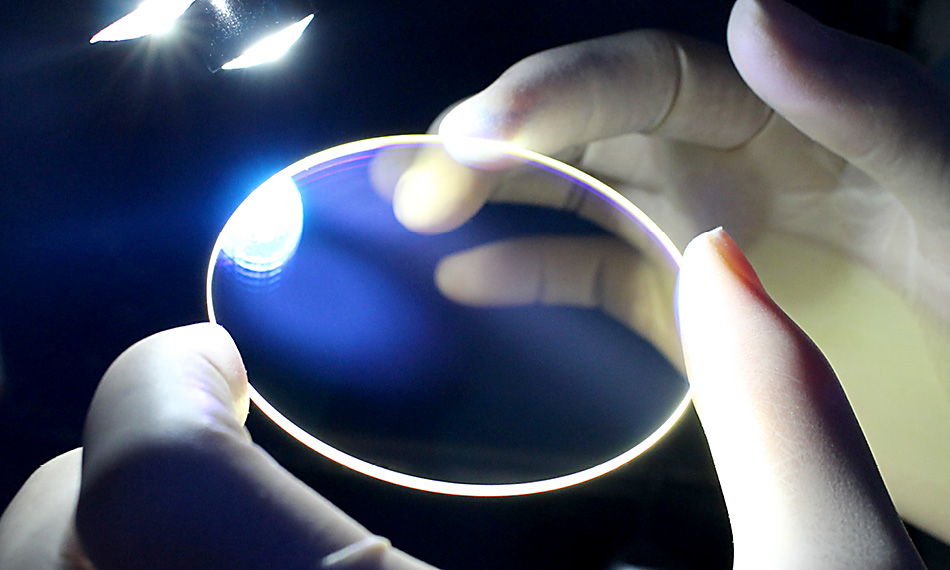
Optik
Zinksulfid (ZnS)
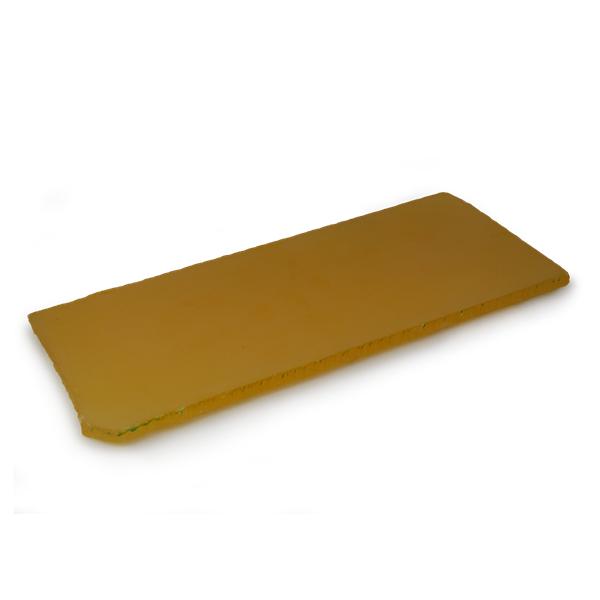

Entscheiden Sie sich für ZnS bei Kuppeln, Fenstern, Linsen und anderen lichtdurchlässigen Optiken, wann immer mechanische Festigkeit, Härte oder der Einsatz unter rauen Umgebungsbedingungen erforderlich sind.
ZnS is most highly transmissive in the 8 µm to 12 µm spectral range. Its high resistance to rain erosion, high-speed dust, and particulate abrasion, makes it especially suitable for exterior IR windows on aircraft frames.
Zinc Sulfide (ZnS) Characteristics
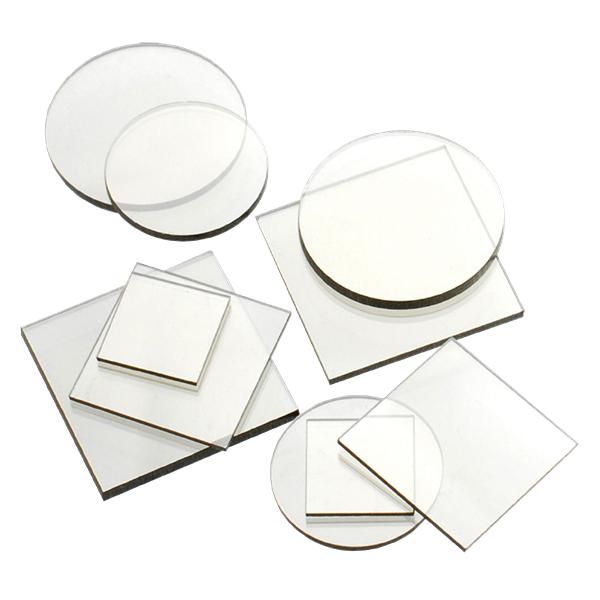
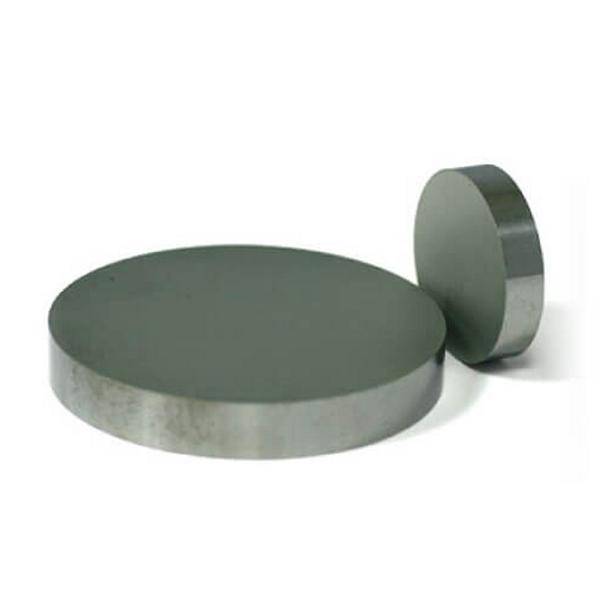
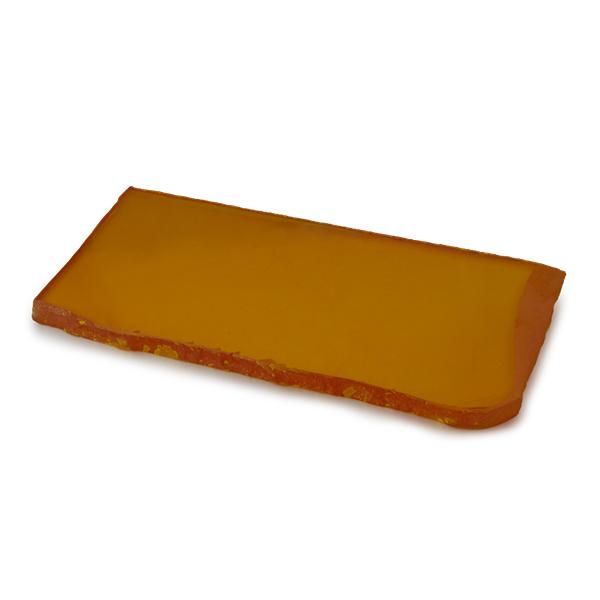
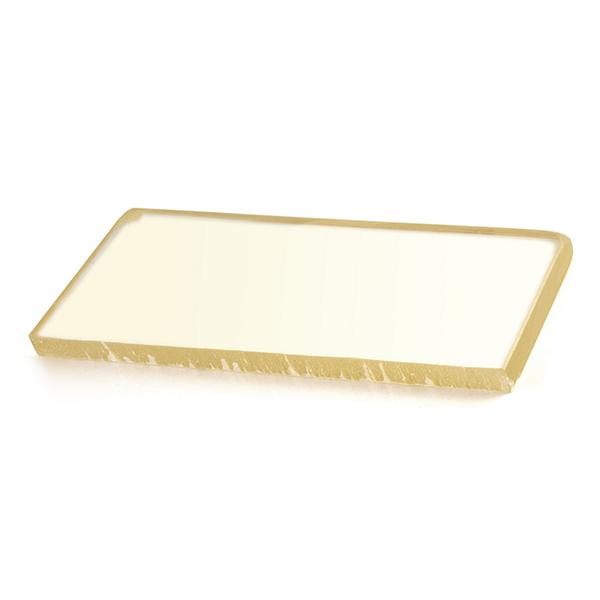
Coherent routinely supplies ZnS substrates up to 300 mm, and can provide sheet material, core-drilled blanks, edged blanks, generated curved lens blanks, and more.
| ZnS Material Properties (at 20°C) | |
Physikalische Eigenschaften |
|
Aufbau |
Cubic zincblende |
Density |
4.08 g/cm³ |
Grain Size |
2 µm to 8 μm |
Inclusions |
None > 0.5 mm |
Electrical Density |
> 1012 ohm-cm |
Optical Properties |
|
Bulk Absorption Coefficient @ 10.6 μm |
< 0.24 cm-1 |
Thermo-Optic Coefficient (dn/dT) @ 10.6 μm |
4.1 x 10⁻⁵/°C |
Refractive Index Inhomogeneity @ 0.6328 μm |
< 100 x 10-6 |
Thermal Properties |
|
Thermal Conductivity @ 20° C |
0.167 W/cm/°C |
Specific Heat |
0.469 J/g/°C |
Linear Expansion Coefficient @ 20° C |
6.8 x 10⁻⁶/°C |
Mechanical Properties |
|
Young’s Modulus |
74.5 GPa (10.8 x 10⁶ psi) |
Rupture Modulus |
103.4 MPa (15,000 psi) |
Knoop Hardness |
210-240 kg/mm² |
Density |
4.08 g/cm³ |
Poisson-Zahl |
0.27 |
Fracture Toughness |
0.8 x 10⁶ N/m1.5 |
Verwandte Produkte
Fertigungskapazitäten im Bereich Optik
Erfahren Sie mehr über die vertikal integrierten Kompetenzen von Coherent in den Bereichen Materialwachstum, Fertigung, Beschichtung und Montage sowie über unsere strenge Qualitätssicherung. Entdecken Sie, wie diese die Leistungsfähigkeit und Zuverlässigkeit unserer Optiken gewährleisten und Risiken sowie Unsicherheiten in der Lieferkette minimieren.